
Best Practices for Bathroom Remodeling – Part 2
This is the continuation from the last post with more ideas about Best Practices for going forward.
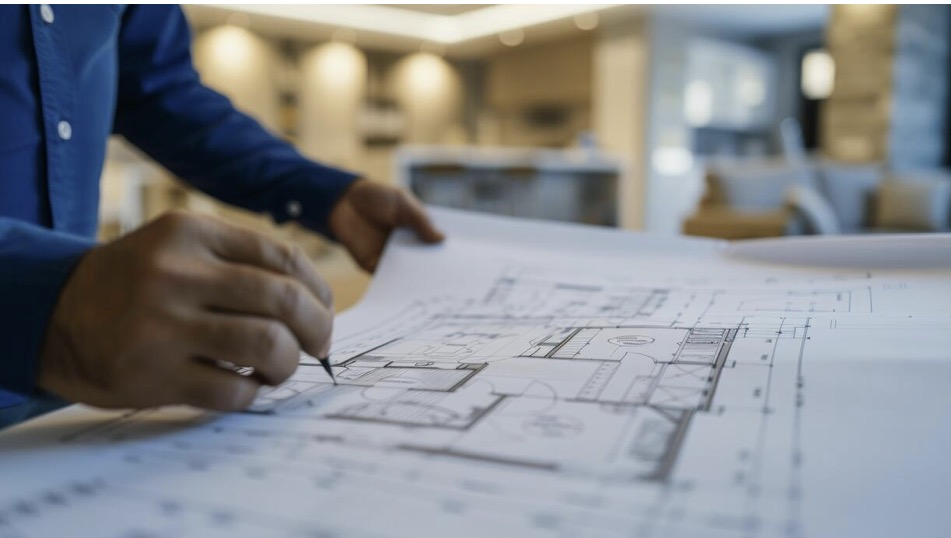
It is Very important start with a professional design plan for layout and finish selection for your bathroom remodeling project. this will help you to not make an expensive mistake and if you’re getting multiple estimates on the construction, this will ensure that you will be getting apples to apples. estimates. You will know exactly what you are getting.
9. Design lighting in layers
One ceiling fixture is rarely enough.
A well-designed bathroom typically benefits from:
- Ambient lighting — overall illumination
- Task lighting — especially around the vanity
- Accent lighting — niches, architectural details, or decorative elements
For the vanity, lighting should illuminate the face rather than creating harsh shadows from a single light above the mirror.
10. Plan electrical before the walls are closed
Determine locations for:
- Vanity outlets
- GFCI protection where required
- Lighting
- Exhaust fan
- Heated towel rack
- Bidet seat
- Makeup lighting
- Shower controls
- Smart mirrors
- Electric floor heating
This is especially important if you're creating a high-end bathroom. Technology is much easier to accommodate before drywall and tile.
11. Don't underestimate storage
A gorgeous bathroom that has nowhere to put anything isn't a successful bathroom.
Consider:
- Vanity drawers
- Tall cabinets
- Medicine cabinets
- Recessed storage
- Linen storage
- Hair-tool storage
- Built-in shower niches
For many homeowners, storage is more valuable than adding another decorative feature.
12. Use the vanity as a functional piece of furniture
Don't automatically choose the largest vanity that fits.
Think about:
- Drawer configuration
- Plumbing interference
- Counter space
- Sink placement
- Electrical outlets
- Makeup storage
- Hair tools
- Cleaning supplies
Deep drawers are often much more useful than traditional cabinet doors.
13. Plan for accessibility
Even if the homeowner doesn't need accessibility today, smart design can make the bathroom easier to use for decades. you never know if you might have to have a surgery or have someone stay with you that’s using a wheelchair or a walker. your professional design plan should include these things. You found needed.
Consider:
- Curbless or low curb shower
- Wider shower entry and doors
- Handheld shower
- Grab-bar blocking behind the walls
- Lever-style faucets
- Comfortable toilet height
- Good lighting
- Non-slip flooring
One of my favorite recommendations: install blocking for future grab bars while the walls are open. It costs very little compared with adding it later.
14. Coordinate every trade
Bathroom remodeling requires several trades to work together:
Designer → plumber → electrician → framing → waterproofing → tile installer → cabinetry → countertop → glass → painter
The sequence matters.
For example, the shower waterproofing needs to be completed correctly before tile begins, and glass dimensions should be coordinated with the finished shower conditions.
15. Don't rush the project
The best bathroom remodels aren't necessarily the ones completed fastest. They can take 8 to 10 weeks to do it correctly.
Allow time for:
- Design
- Material ordering
- Demolition
- Plumbing/electrical rough-in
- Inspections where required
- Waterproofing
- Curing/drying
- Tile installation
- Cabinetry
- Countertops
- Glass
- Final installation
In Summary
The best practice of all: don't let the schedule force you to compromise on waterproofing, preparation, or craftsmanship.
The professional-remodeler's rule
If I were teaching a homeowner the five things they absolutely should not compromise on, I'd say:
- Layout — Make the space function beautifully.
- Waterproofing — Protect everything behind the tile.
- Installation quality — Great materials can't compensate for poor workmanship.
- Lighting & electrical — Plan them before the walls close.
- Storage — Make the bathroom work for real life.
And for a high-end bathroom, I'd add one more:
Make every decision intentional. The best bathrooms don't necessarily have the most expensive materials—they have the best proportion, planning, detailing, and execution.
Please call or text today to speak to one of our team members.
One Design Place is a full-service interior design firm specializing in transforming Houston homes and can help with upgrades for enjoyment or with a sale in mind. Cynthia Cannizzaro, owner of One Design Place, believes that “when a person has a home that is created with their lifestyle in mind, it truly makes a difference in their everyday life.”
One Design Place 713-446-7330
Let us know how we can help!
And, by the way, we are never too busy for your referrals!