
Best Practices for Bathroom Remodeling – Part 1

For a bathroom remodel, the biggest difference between a project that looks beautiful and one that performs beautifully for years is what happens behind the finishes.
Here are the best practices I would recommend for a professional, high-quality bathroom remodel:
1. Start with the layout—not the finishes
Before choosing tile or fixtures, determine whether the existing layout actually works.
Consider:
- Clearances around the toilet, vanity, and shower
- Door swings
- Shower entry
- Storage
- Lighting locations
- Plumbing locations
- Accessibility and aging-in-place needs
- How the bathroom functions for the people using it
Rule of thumb: Don't move plumbing simply for aesthetics unless the improvement to the layout justifies the additional cost.
2. Plan the entire bathroom before demolition
Have the design substantially resolved before work begins.
Select and document:
- Vanity and cabinetry
- Countertops
- Tile
- Shower system
- Tub
- Toilet
- Faucets
- Mirrors
- Lighting
- Hardware
- Paint
- Accessories
- Shower glass
This prevents expensive mid-project decisions and helps avoid the dreaded “we already installed that, but now this doesn't fit” problem.
3. Treat waterproofing as the most important part of the bathroom
Beautiful tile doesn't matter if the shower isn't properly waterproofed.
The shower should have a properly designed waterproofing system, including:
- Waterproof shower walls
- Properly waterproofed niches
- Waterproofed corners and penetrations
- Correct shower-pan construction
- Proper slope toward the drain
- Proper treatment around plumbing penetrations
Never rely on tile or grout itself to waterproof a shower.
4. Don't compromise on the shower pan
The shower pan is one of the places where saving money can become extremely expensive later.
Make sure:
- The substrate is properly prepared
- The pan slopes correctly
- The drain is installed correctly
- Waterproofing is continuous
- There are no low spots where water can collect
A flood test before tile installation is an excellent quality-control step when appropriate for the waterproofing system.
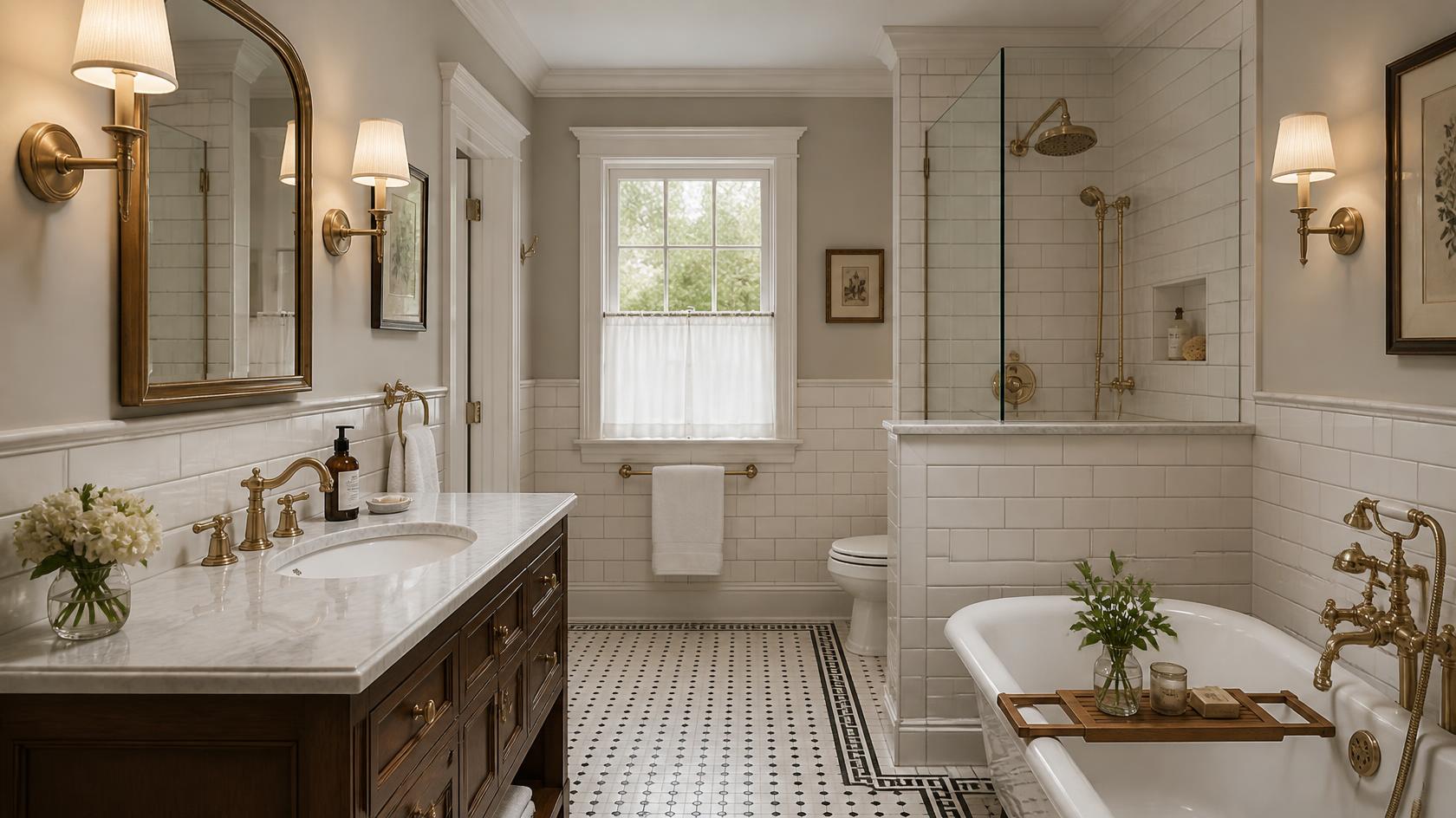
5. Plan niches carefully
A shower niche seems simple, but it's one of the areas where poor planning can create problems.
Think about:
- Height
- Width
- Depth
- Waterproofing
- Shelf material
- Bottle sizes
- Tile layout
Design tip: Position the niche so it works with the tile pattern rather than forcing the tile to work around the niche.
6. Pay attention to tile layout
Don't simply start tiling wherever the installer thinks is easiest.
Plan:
- Centerlines
- Grout joints
- Shower corners
- Niche alignment
- Vanity backsplash
- Floor pattern
- Transition points
- Where cuts will occur
A beautiful tile installed poorly can make an otherwise expensive bathroom look inexpensive.
7. Choose the right materials for the environment
Bathrooms are wet, humid spaces. Materials need to be selected accordingly.
Think about:
- Porcelain vs. ceramic tile
- Slip resistance for floors
- Moisture-resistant cabinetry
- Appropriate countertop materials
- Mold-resistant products where appropriate
- Proper ventilation
Don't choose a material simply because it's beautiful. Ask how it will perform in a bathroom.

8. Ventilation is not optional
A good exhaust fan is one of the most important investments in a bathroom.
It helps control:
- Humidity
- Condensation
- Mold
- Odors
- Moisture damage
Ideally, the ventilation system should exhaust outdoors and be properly sized for the space.
Please call or text today to speak to one of our team members.
And see our next post for Part 2 of Best Practices for Bathroom Remodeling.
One Design Place is a full-service interior design firm specializing in transforming Houston homes and can help with upgrades for enjoyment or with a sale in mind. Cynthia Cannizzaro, owner of One Design Place, believes that “when a person has a home that is created with their lifestyle in mind, it truly makes a difference in their everyday life.”
One Design Place 713-446-7330
Let us know how we can help!
And, by the way, we are never too busy for your referrals!